Dental Implants in Dubai: The Complete Patient Guide to Getting Your Smile Back
Wiki Article
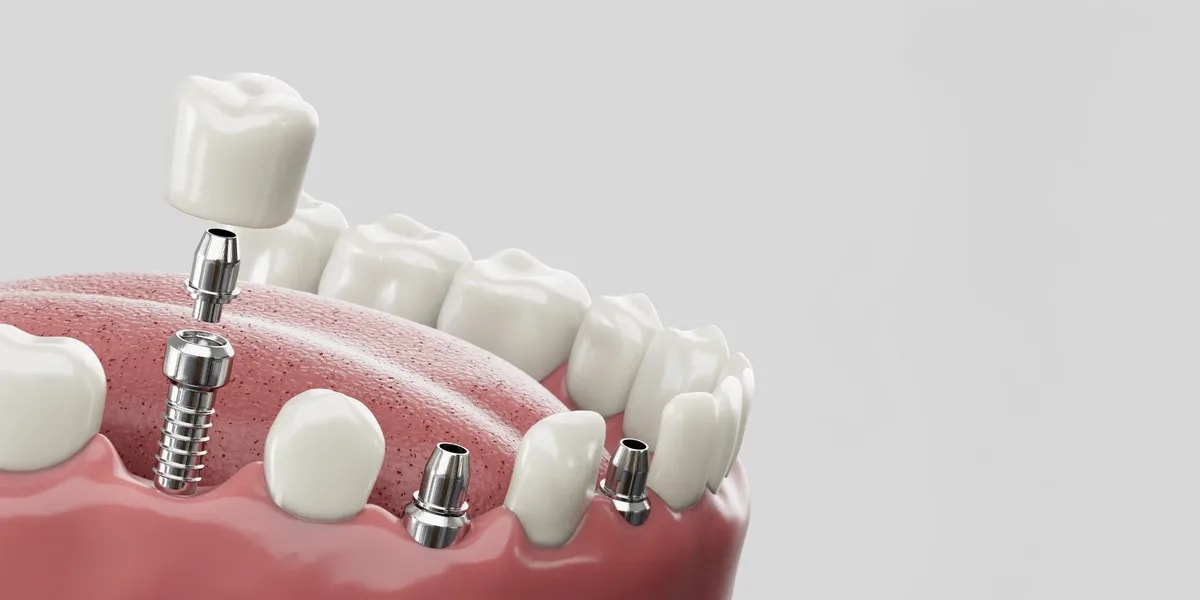
Missing a tooth changes more than the way you smile. It can affect your confidence, your ability to chew comfortably, and the long-term health of your jaw. Fortunately, modern dentistry has made it possible to restore both function and appearance with a solution that looks, feels, and performs like a natural tooth. That solution is the dental implant — and it's why so many patients now search for dental implants in Dubai as their first choice for tooth replacement.
This guide walks through what dental implants are, how the procedure works step by step, the different types available, and why they've become the preferred option for dental implants Dubai patients across the UAE.
What Exactly Is a Dental Implant?
A dental implant is a small titanium or ceramic post that a surgeon places directly into the jawbone, taking over the role of a natural tooth root. Over the following months, the bone gradually bonds to the post through a process called osseointegration, creating a foundation that's strong enough to support a full replacement tooth for decades.
Every implant is built from three parts working together:
- The implant post — anchored securely in the jawbone
- The abutment — a small connector piece that links the post to the visible tooth
- The crown — custom-shaped and color-matched to blend with your existing teeth
Once these three pieces are joined, the result is a replacement tooth that looks natural and functions just like the one it replaced.
How Dental Implant Surgery Works, Step by Step
Implant treatment isn't a single visit — it's a carefully staged process designed to give the implant the best possible chance of long-term success.
1. Initial Consultation and Imaging Treatment begins with a full evaluation of your teeth, gums, and jawbone. A 3D Cone Beam CT (CBCT) scan maps out your bone density, nerve pathways, and sinus position, giving the surgeon a precise plan before any drilling begins.
2. Preparing the Mouth Depending on your oral health, a few preparatory steps may be needed first: treating gum disease, removing damaged teeth, or building up bone through grafting. Patients with lower bone volume in the upper jaw may also need a sinus lift to create enough space for the implant.
3. Placing the Implant Under local anesthesia (with sedation available for anxious patients), the surgeon uses CBCT-guided drilling to insert the titanium or zirconia implant into the jawbone with millimeter-level accuracy, avoiding nerves and sinus cavities.
4. Healing and Osseointegration This is the phase where the bone fuses around the implant. It typically takes three to six months, depending on your bone quality and whether grafting was required. Temporary teeth can be worn during this period so your smile isn't affected while healing takes place.
5. Attaching the Abutment Once osseointegration is complete, the surgeon uncovers the implant and fits the abutment. A digital scan or impression is then taken to design your final crown.
6. Fitting the Crown The finished crown — matched precisely to your surrounding teeth — is secured to the abutment, completing the restoration.
7. Same-Day Options for Emergencies For patients dealing with a broken or fractured tooth, same-day implants allow placement immediately after extraction, with a temporary crown fitted the same day.
8. Aftercare Long-term success depends on good oral hygiene, avoiding excessive pressure on the implant while it heals, and keeping up with follow-up visits.
The Different Types of Dental Implants
Not every patient needs the same approach. The right type depends on bone density, the number of missing teeth, and overall oral health.
- Endosteal Implants — the most widely used type, placed directly into the jawbone to replace a single tooth or support a bridge
- Subperiosteal Implants — positioned on top of the jawbone beneath the gum, suited to patients without enough bone for a standard implant
- Zygomatic Implants — anchored in the cheekbone for patients with significant bone loss in the upper jaw
Beyond these core types, many clinics also offer Same-Day Dental Implants, 3D Guided Implant Surgery for added precision, and full-arch solutions like All-on-4 and All-on-6 Dental Implants for patients replacing an entire row of teeth.
Why Dental Implants Are the Gold Standard for Tooth Replacement
When patients compare their options, implants consistently come out ahead of dentures and bridges for several reasons:
A Long-Term, Not Temporary, Fix. With proper care, implants can last a lifetime — a very different proposition from dentures that need regular replacement.
Real Chewing Power. Because the implant is fused to the bone, it functions like a natural tooth root, letting you eat normally without the slipping or shifting that comes with removable dentures.
A Natural Look. The crown is custom-crafted to match your surrounding teeth in shape, size, and shade, so it blends in rather than standing out.
Jawbone Preservation. Missing teeth cause the jawbone to gradually shrink. Implants stimulate the bone the way a natural root would, helping preserve facial structure over time.
No Damage to Neighboring Teeth. Bridges require filing down the teeth on either side of the gap. Implants stand on their own, leaving adjacent teeth untouched.
Simple Maintenance. Implants are cared for exactly like natural teeth — brushing, flossing, and routine dental visits, with no adhesives or soaking required.
Clearer Speech. Because implants don't move or slip, they support natural speech in a way loose-fitting dentures often can't.
What Makes a Dental Clinic in Dubai Worth Choosing
Dubai has become a hub for advanced implant dentistry, but the quality of your outcome still comes down to the clinic and surgical team you choose. Here's what's worth looking for in any dental clinic in Dubai:
- Proven experience, ideally backed by thousands of successful implant placements
- Specialist oral and maxillofacial surgeons and prosthodontists, not general dentists handling surgical cases
- Advanced technology, including CBCT imaging and guided surgery for precision placement
- Sedation options for patients who feel anxious about dental procedures
- Warranty coverage on implants for long-term peace of mind
- Flexible payment plans that make treatment more accessible
Clinics like Harmony Medical Group have built their reputation on exactly these fundamentals — combining specialist surgeons with decades of collective experience, state-of-the-art imaging technology, and a track record of over 20,000 successful implant procedures across Dubai and Abu Dhabi. That kind of experience matters when you're trusting someone with a permanent addition to your jaw.
Finding the Best Dental Implants in Dubai
If you're researching the best dental implants in Dubai, the decision really comes down to three things: the surgeon's expertise, the technology used for planning and placement, and the aftercare support offered once your implant is in place. A clinic that combines specialist surgeons, CBCT-guided precision, and a genuine warranty gives you the strongest chance of a result that lasts.
Final Thoughts
Dental implants remain the most reliable way to replace a missing tooth — restoring your bite, protecting your jawbone, and giving you back a smile that looks entirely natural. Whether you need a single implant or a full-arch solution, choosing an experienced team with the right technology makes all the difference in how your treatment turns out.
If you're ready to explore your options, book a consultation with a specialist team experienced in dental implants Dubai patients trust, and find out which type of implant is right for you.
Report this wiki page